Quality of Life
Florida vs Texas: Livability Score
Florida has a higher livability score than Texas.


National Rankings
Where They Rank Nationally
See where both states fall among all 50 states for livability score.
Florida
#6 · 58.51
Texas
#38 · 47.21
Lowest
Highest
Top 10 States — Livability Score
#1
 Massachusetts
60.23
Massachusetts
60.23
Massachusetts
#2
 Idaho
60.19
Idaho
60.19
Idaho
#3
 New Jersey
59.81
New Jersey
59.81
New Jersey
#4
 Wisconsin
59.66
Wisconsin
59.66
Wisconsin
#5
 Minnesota
58.69
Minnesota
58.69
Minnesota
#6
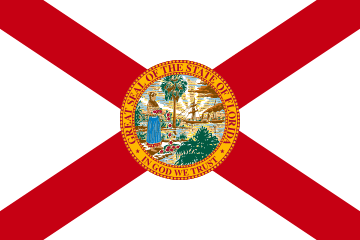 Florida
58.51
Florida
58.51
Florida
#7
 New Hampshire
58.21
New Hampshire
58.21
New Hampshire
#8
 New York
57.94
New York
57.94
New York
#9
 Utah
57.94
Utah
57.94
Utah
#10
 Pennsylvania
57.90
Pennsylvania
57.90
Pennsylvania
Selected states
#38
 Texas
47.21
Texas
47.21
Texas
Florida ranks 6th and Texas ranks 38th nationally for livability score.
Related context
What Drives the Score
The livability score synthesizes several quality-of-life signals — here are the key inputs.
What this means
Florida vs Texas: Livability Score in context
Florida's livability score is 58.51, compared with 47.21 in Texas, a gap of 23.9%. Best States to Live In total score (August 11, 2025).
Florida
58.51
Texas
47.21
Difference
11.30 points
People also ask
Florida vs Texas Livability Score — common questions
QWhat is Florida's livability score?
Florida's livability score is 58.51.
QWhat is Texas's livability score?
Texas's livability score is 47.21.
QWhich state has a higher livability score — Florida or Texas?
Florida has a higher livability score than Texas.
QHow much more livability score does Florida have compared to Texas?
11.30 points.
More comparisons: Florida vs Texas
Grouped tabs keep the deep-dive links tighter and easier to scan.
Explore each state


Data source and freshness
Primary source
Data period
2025 comparison
Dataset reviewed
July 23, 2026
Method note
WalletHub total score incorporated into the comparison dataset.