
Overall
Connecticut feels cheaper overall
Connecticut has the lower cost-of-living index, beating New Hampshire by 4.0 points on the overall affordability baseline.
View detailed comparisonConnecticut is cheaper overall by 4.0 cost-of-living points, but New Hampshire has no state income tax, but Connecticut has lower median home values.

Difference: 4.0 points — Connecticut leads.
National Rankings
See where both states fall among all 50 states for cost of living.
 West Virginia
 Mississippi
 Arkansas
 Kentucky
 Alabama
 Oklahoma
 Missouri
 Kansas
 Iowa
Iowa
 Ohio
Ohio
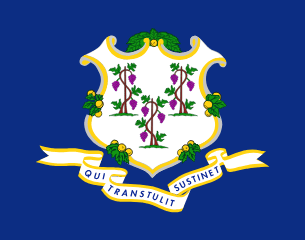 Connecticut
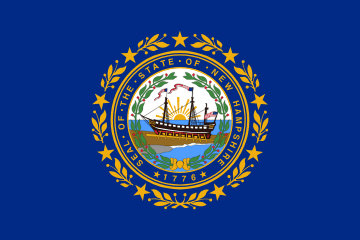 New Hampshire
Connecticut ranks 38th and New Hampshire ranks 41st nationally for cost of living.
A fast-reading view of the tradeoffs behind the raw cost numbers.
Connecticut has the lower cost-of-living index, beating New Hampshire by 4.0 points on the overall affordability baseline.
View detailed comparisonConnecticut has the lower median home value, while buying in New Hampshire costs materially more at the median.
View detailed comparisonMedian rent takes a smaller share of household income in Connecticut than in New Hampshire, which makes monthly budgeting easier.
View detailed comparisonNew Hampshire gives residents a cleaner paycheck-level tax advantage, while Connecticut still taxes income at the state level.
View detailed comparisonWhat This Means
Connecticut has a cost of living of 113.1, compared with 117.1 in New Hampshire. Composite cost of living index (100 = national average). Lower = more affordable.
People Also Ask
Connecticut's cost of living is 113.1.
New Hampshire's cost of living is 117.1.
Connecticut is cheaper overall by 4.0 cost-of-living points, but New Hampshire has no state income tax, but Connecticut has lower median home values.
Grouped tabs keep the deep-dive links tighter and easier to scan.
Sources: Core demographic data comes from the 2020 U.S. Census, with land area from U.S. Census Bureau TIGER files. Income, housing, affordability, and tax fields are maintained in our comparison dataset; purchasing-power figures use BEA Regional Price Parities. Minimum wage data comes from the U.S. Department of Labor, gas prices from AAA, and electricity rates from the U.S. Energy Information Administration. Political control and election fields use 2024 presidential results together with National Conference of State Legislatures data. Gun-law labels use the Giffords scorecard, alcohol system data comes from NABCA, and marijuana status uses NCSL's state cannabis laws tracker.
 Connecticut Symbols
 New Hampshire Symbols