Climate
Alaska vs New York: Sunny Days
New York gets more sunny days than Alaska.


National Rankings
Where They Rank Nationally
See where both states fall among all 50 states for sunny days.
Alaska
#47 · 61 days
New York
#46 · 63 days
Lowest
Highest
Top 10 States — Sunny Days
#1
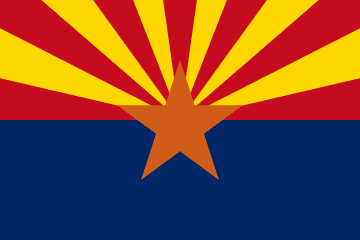 Arizona
193 days
Arizona
193 days
Arizona
#2
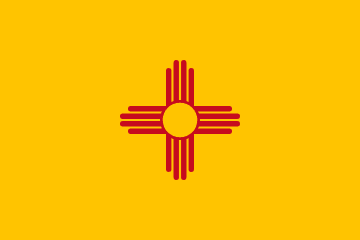 New Mexico
167 days
New Mexico
167 days
New Mexico
#3
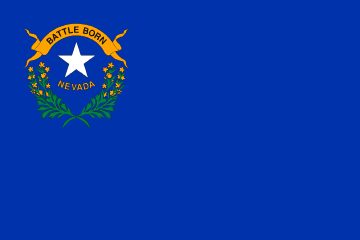 Nevada
158 days
Nevada
158 days
Nevada
#4
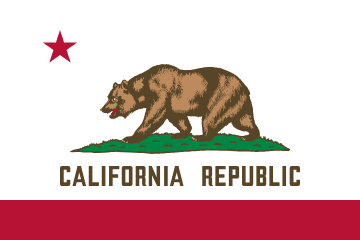 California
146 days
California
146 days
California
#5
 Oklahoma
139 days
Oklahoma
139 days
Oklahoma
#6
 Colorado
136 days
Colorado
136 days
Colorado
#7
 Texas
135 days
Texas
135 days
Texas
#8
 Kansas
128 days
Kansas
128 days
Kansas
#9
 Utah
125 days
Utah
125 days
Utah
#10
 Arkansas
123 days
Arkansas
123 days
Arkansas
Selected states
#47
 Alaska
61 days
Alaska
61 days
Alaska
#46
 New York
63 days
New York
63 days
New York
Alaska ranks 47th and New York ranks 46th nationally for sunny days.
Related context
Sunshine & Weather
Sunny days rank among the most-cited lifestyle factors for relocation decisions.
MetricAlaskaNew York
Average Temperature
26.6°F
45.4°F
Summer Temperature
52.3°F
66.5°F
Winter Temperature
2.6°F
23.3°F
Annual Precipitation
22.5 in
41.8 in
What this means
Alaska vs New York: Sunny Days in context
New York's sunny days is 63 days, compared with 61 days in Alaska. Average number of sunny or mostly sunny days per year.
Alaska
61 days
New York
63 days
Difference
2 days
People also ask
Alaska vs New York Sunny Days — common questions
QWhat is Alaska's sunny days?
Alaska's sunny days is 61 days.
QWhat is New York's sunny days?
New York's sunny days is 63 days.
QWhich state has a higher sunny days — Alaska or New York?
New York gets more sunny days than Alaska.
More comparisons: Alaska vs New York
Grouped tabs keep the deep-dive links tighter and easier to scan.
Explore each state


Data source and freshness
Data period
1991–2020 climate normals
Dataset reviewed
July 23, 2026
Method note
Statewide climate summaries; normals describe long-term conditions, not a forecast.