Virginia State Flower: Dogwood
Fact-checked • Updated December 10, 2025
Virginia State Flower – Dogwood
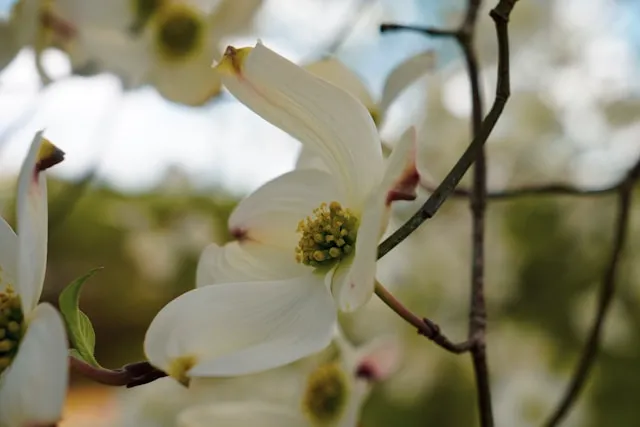
Since 1918, the Dogwood has served as Virginia's state flower. White four-petaled blooms cover small trees reaching 15 to 30 feet tall. These native flowering trees bloom across Virginia forests, woodlands, and gardens from April through May.
What Is the Virginia State Flower?
Official since 1918, the Dogwood represents Virginia. Each bloom displays four white petal-like bracts surrounding a cluster of tiny yellow-green flowers. The bracts measure 2 to 4 inches across. Trees grow 15 to 30 feet tall with spreading branches. Smooth gray bark develops blocky patterns on mature trunks. Oval leaves turn red to purple in autumn.
Dogwoods bloom from mid-April through May across Virginia. Peak flowering occurs in late April throughout most regions. The Blue Ridge Mountains, Shenandoah Valley, and Piedmont region showcase abundant displays. Individual blooms last two to three weeks. Trees prefer partial shade and moist well-drained soil. Understory positions in deciduous forests suit dogwoods naturally.
Native dogwood populations grow wild throughout Virginia in forests, woodland edges, and stream banks. The trees thrive in acidic soil common across the state. Birds eat the bright red berries that form in fall. White-tailed deer browse twigs and foliage. Dogwoods provide important food and habitat for Virginia wildlife throughout the year.
What Is Virginia's State Flower Called?
Virginia's state flower goes by the common name Dogwood, scientifically classified as Cornus florida. The plant belongs to the Cornaceae family. This family includes about 85 species of shrubs and small trees found primarily in temperate regions.
The genus name Cornus comes from the Latin word for horn. The hard dense wood resembles horn in strength and texture. The species name florida means flowering or blooming in Latin. Early colonists used the term to describe the tree's spectacular spring display.
The common name dogwood has uncertain origins. Some sources suggest it comes from dagwood, referring to the wood's use for making sharp skewers called dags. Others trace it to European dogberry trees with similar bark. Regional names include flowering dogwood and American dogwood to distinguish it from Asian species.
Why the Dogwood Became the Virginia State Flower
In 1918, Virginia chose the Dogwood as its state flower following a campaign by garden clubs and women's organizations. The General Assembly passed legislation establishing the dogwood blossom as Virginia's floral emblem. School children across Virginia had participated in informal voting that showed strong support for the dogwood.
Dogwood trees bloomed abundantly throughout Virginia each spring. The white flowers appeared across forests from the mountains to the Tidewater region. Thomas Jefferson planted dogwoods at Monticello. George Washington transplanted wild dogwoods to Mount Vernon. The tree connected deeply to Virginia's colonial heritage and natural landscape.
The flower represented Virginia's beauty and natural resources. Artists featured dogwood blooms in paintings and photographs. The trees grew naturally in nearly every Virginia county. Their spring display attracted attention from residents and visitors alike. Virginia became the first state to designate a tree flower rather than a herbaceous plant as its official emblem.
Quick Facts About Virginia's State Flower
Fact 1 of 6
Virginia designated the Dogwood blossom on March 6, 1918, becoming the first state to choose a tree flower rather than a herbaceous wildflower
Virginia State Flower and Bird
The Northern Cardinal serves as Virginia's state bird, a brilliant red songbird common in gardens and woodlands year-round. Both symbols represent Virginia officially. Virginia adopted the Dogwood in 1918, while the Northern Cardinal became state bird in 1950.
State Flower
Dogwood
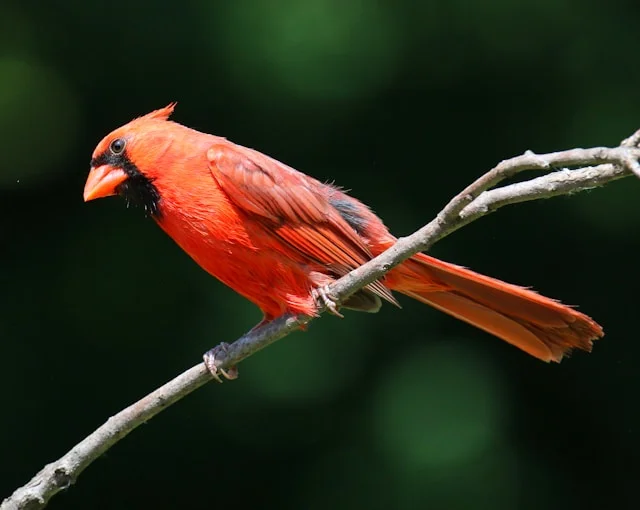
State Bird
Northern Cardinal
Learn more →
Both are official state symbols of Virginia.
What the Dogwood Symbolizes
The Dogwood is often associated with Virginia's natural beauty, resilience, and historical heritage. The flower has been linked to durability and strength despite its delicate appearance, reflecting the tree's hard wood and ability to thrive in forest understories. Its white blooms traditionally symbolize purity and renewal while carrying connotations of Virginia's spring landscapes and colonial gardens at Mount Vernon and Monticello.
Sources & References
This article has been researched using authoritative sources to ensure accuracy and reliability. All information has been fact-checked and verified against official government records and botanical databases.
Official source for Virginia state symbols and legislation • Accessed: December 31, 2025
Information about Virginia's native trees and forest resources • Accessed: December 31, 2025
Resources on Virginia native plants and conservation • Accessed: December 31, 2025
Accuracy Commitment: We strive to maintain accurate and up-to-date information. If you notice any errors or outdated information, please contact us.