Texas State Flower: Bluebonnet
Fact-checked • Updated December 10, 2025
Texas State Flower – Bluebonnet
The Bluebonnet represents Texas's floral emblem, adopted in 1901. These distinctive blue wildflowers bloom across Texas prairies and roadsides each spring. Spikes of blue flowers with white tips create spectacular displays throughout the state from March through May.
What Is the Texas State Flower?
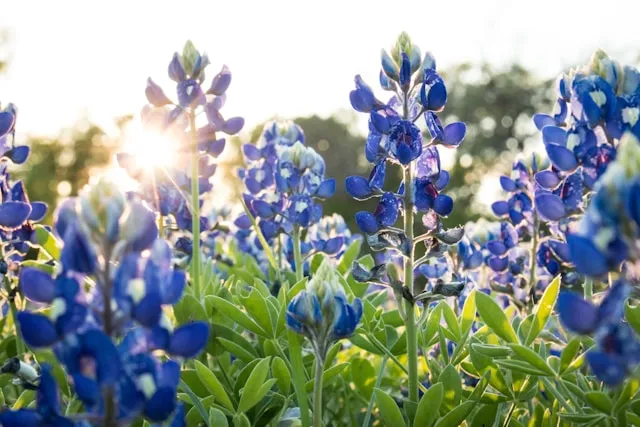
Texas recognizes the Bluebonnet as its state flower. Each spike contains dozens of small pea-like flowers. Deep blue petals show white or yellow markings at the tips. The flower spikes measure 4 to 12 inches tall. Plants grow in dense patches creating carpets of blue. A sweet fragrance attracts bees during warm afternoons.
Bluebonnets bloom from March through May across Texas. Peak flowering occurs in April throughout most regions. Central Texas hill country around Austin and Fredericksburg showcases the most famous displays. Coastal areas bloom earlier than northern counties. Individual flowers last about a week. The plants grow 6 to 18 inches tall. Palmate leaves with five to seven leaflets cover the stems.
Native bluebonnet species grow wild throughout Texas in prairies, roadsides, and open fields. Ennis, Marble Falls, and the Texas Hill Country attract thousands of visitors during peak bloom. The plants thrive in poor rocky soil that challenges other wildflowers. Full sun and well-drained conditions suit bluebonnets best. Texas expanded the official designation in 1971 to include all native Lupinus species rather than just one type.
Texas State Flower Name
This flower carries the common name Bluebonnet and the scientific name Lupinus texensis for the most widespread Texas species. The plant belongs to the Fabaceae family. This enormous family includes peas, beans, and about 19,000 species of flowering plants worldwide.
The genus name Lupinus comes from the Latin word for wolf. Early botanists thought lupines depleted soil like wolves depleted sheep flocks. Actually lupines improve soil by fixing nitrogen. The species name texensis indicates Texas origin. The common name bluebonnet describes the flower's bonnet-like shape and blue color.
Texas recognizes six native bluebonnet species as official state flowers. Lupinus texensis, called Texas bluebonnet, appears most commonly. Other species include Lupinus subcarnosus, the original 1901 designation, and four additional native species added in 1971. This broad designation allows all Texas bluebonnets to represent the state equally.
How Texas Chose the Bluebonnet
Texas selected the Bluebonnet as its official state flower in 1901. The National Society of Colonial Dames of America in Texas sponsored a statewide vote. School children and adults participated in selecting their favorite wildflower. The bluebonnet won overwhelmingly over cotton boll and prickly pear cactus.
Bluebonnets bloomed abundantly across Texas each spring. The blue flowers symbolized Texas pride and natural beauty. Artists featured bluebonnets in paintings of Texas landscapes. Photographers captured families posing in bluebonnet fields. The tradition of bluebonnet photos became deeply rooted in Texas culture.
Initial designation specified Lupinus subcarnosus. Debate arose because Lupinus texensis grew more abundantly across the state. The legislature resolved this in 1971 by expanding the designation to include all six native Texas bluebonnet species. This change ended arguments about which species truly represented Texas. All native bluebonnets now serve equally as state flowers.
Texas State Flower Facts
Fact 1 of 6
Texas expanded its state flower designation in 1971 to include all six native Lupinus species rather than just one bluebonnet type
Texas State Flower and Bird
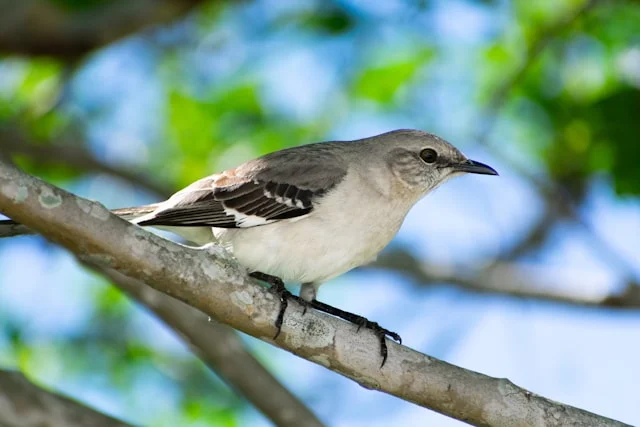
The Northern Mockingbird serves as Texas's state bird, a talented songbird that mimics calls of other birds and sounds. Both symbols represent Texas officially. Texas adopted the Bluebonnet in 1901 and designated the Northern Mockingbird as state bird in 1927.
State Flower
Bluebonnet
State Bird
Northern Mockingbird
Learn more →
Both are official state symbols of Texas.
What the Bluebonnet Symbolizes
The Bluebonnet is commonly seen as representing Texas pride, independence, and natural beauty. The flower has been linked to Texas identity more strongly than almost any other state flower nationwide. Its blue color traditionally symbolizes loyalty and trust while carrying connotations of the wide Texas sky and the state's frontier heritage. Taking family photos in bluebonnet fields remains a cherished Texas springtime tradition.
Sources & References
This article has been researched using authoritative sources to ensure accuracy and reliability. All information has been fact-checked and verified against official government records and botanical databases.
Official source for Texas state symbols and legislation • Accessed: December 31, 2025
Information about Texas wildflowers and native plants • Accessed: December 31, 2025
Resources on Texas native plants and wildflower conservation • Accessed: December 31, 2025
Accuracy Commitment: We strive to maintain accurate and up-to-date information. If you notice any errors or outdated information, please contact us.