Infrastructure
California vs Nevada: Renewable Electricity Share
California has a higher renewable electricity share than Nevada.


National Rankings
Where They Rank Nationally
See where both states fall among all 50 states for renewable electricity share.
California
#7 · 43.6%
Nevada
#10 · 40.1%
Lowest
Highest
Top 10 States — Renewable Electricity Share
#1
 Iowa
59.7%
Iowa
59.7%
Iowa
#2
 South Dakota
57.1%
South Dakota
57.1%
South Dakota
#3
 New Mexico
51.6%
New Mexico
51.6%
New Mexico
#4
 Kansas
49.5%
Kansas
49.5%
Kansas
#5
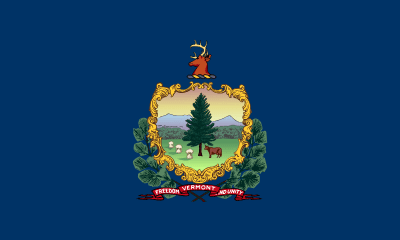 Vermont
46.2%
Vermont
46.2%
Vermont
#6
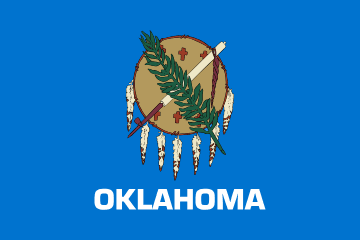 Oklahoma
46.0%
Oklahoma
46.0%
Oklahoma
#7
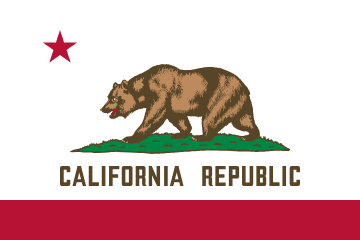 California
43.6%
California
43.6%
California
#8
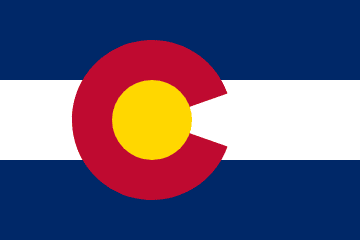 Colorado
42.5%
Colorado
42.5%
Colorado
#9
 Maine
40.4%
Maine
40.4%
Maine
#10
 Nevada
40.1%
Nevada
40.1%
Nevada
California ranks 7th and Nevada ranks 10th nationally for renewable electricity share.
What this means
California vs Nevada: Renewable Electricity Share in context
California's renewable electricity share is 43.6%, compared with 40.1% in Nevada. Share of statewide electricity generation from renewable sources.
California
43.6%
Nevada
40.1%
Difference
3.50 percentage points
People also ask
California vs Nevada Renewable Electricity Share — common questions
QWhat is California's renewable electricity share?
California's renewable electricity share is 43.6%.
QWhat is Nevada's renewable electricity share?
Nevada's renewable electricity share is 40.1%.
QWhich state has a higher renewable electricity share — California or Nevada?
California has a higher renewable electricity share than Nevada.
More comparisons: California vs Nevada
Grouped tabs keep the deep-dive links tighter and easier to scan.
Explore each state


Data source and freshness
Primary source
Data period
Latest incorporated EIA data
Dataset reviewed
July 23, 2026
Method note
Share of in-state electricity generation, not total energy consumption.