What States Border South Dakota
South Dakota borders six states: North Dakota to the north, Minnesota to the east, Iowa to the southeast, Nebraska to the south, Wyoming to the west, and Montana to the northwest. South Dakota is landlocked with no ocean or Great Lakes access. The Missouri River flows through the center of the state, historically dividing it into East River and West River regions.
- Bordering States
- 6
- International
- None
- Water Border
- None
- Access
- Landlocked
South Dakota Border Map
Map showing South Dakota's boundaries with six states and the Missouri River dividing the state.
Map showing South Dakota's boundaries with six states and the Missouri River dividing the state.
Border Details
Explore each of South Dakota's borders in detail. Click any card to learn more.
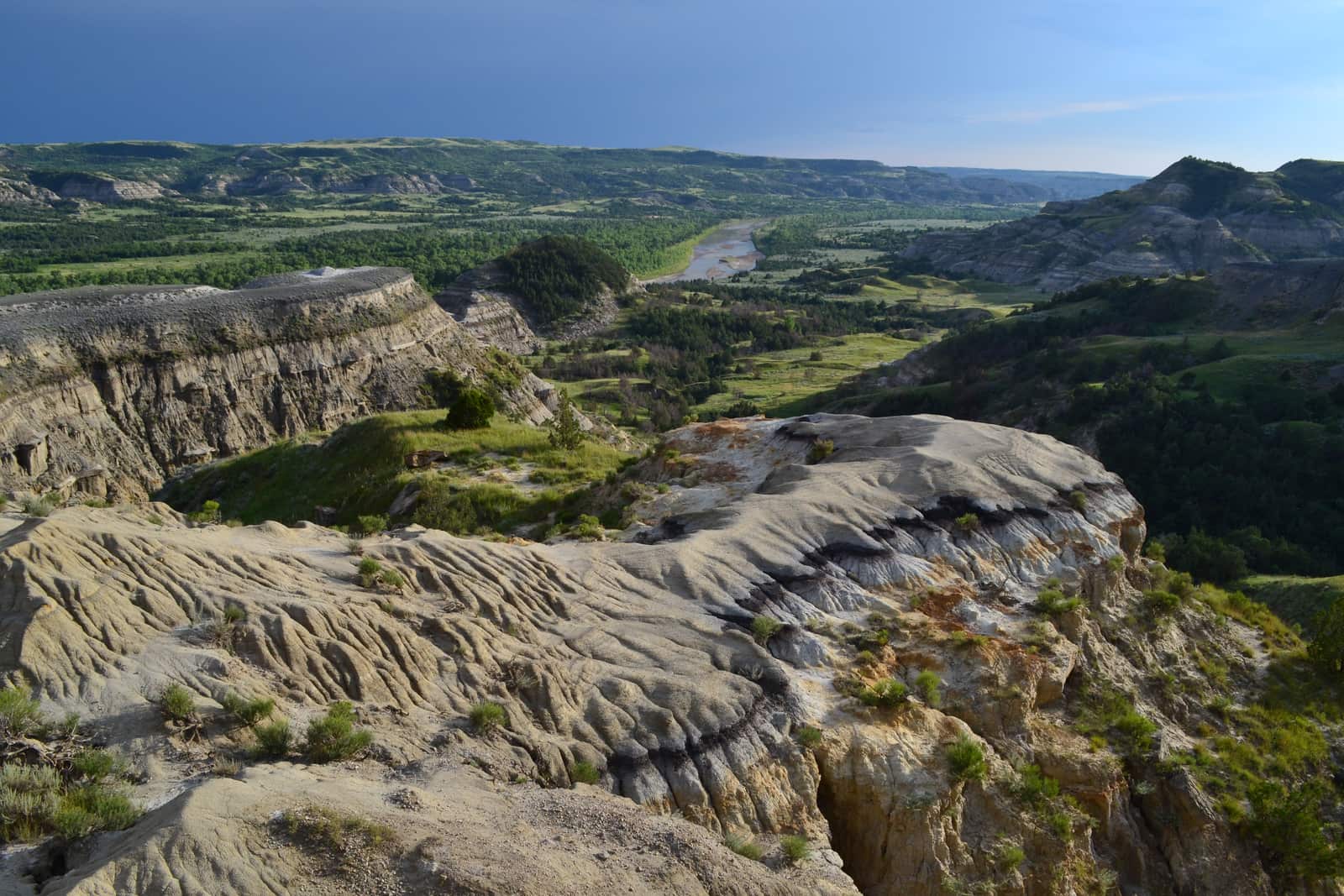
Theodore Roosevelt National Park
North Dakota
North Dakota forms South Dakota's entire northern border along a straight line.
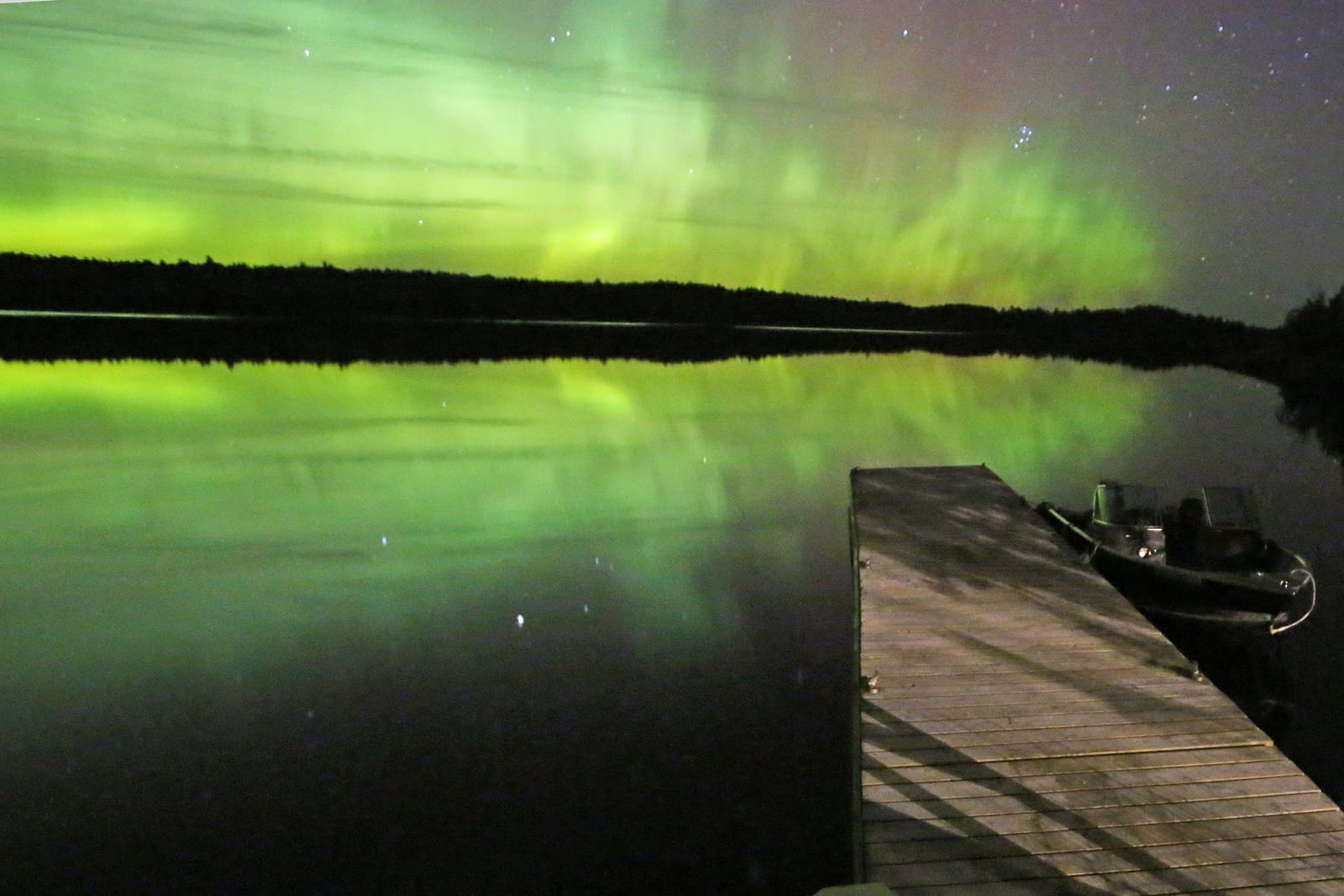
Voyageurs National Park
Minnesota
Minnesota borders South Dakota with the Big Sioux River forming the southern portion.
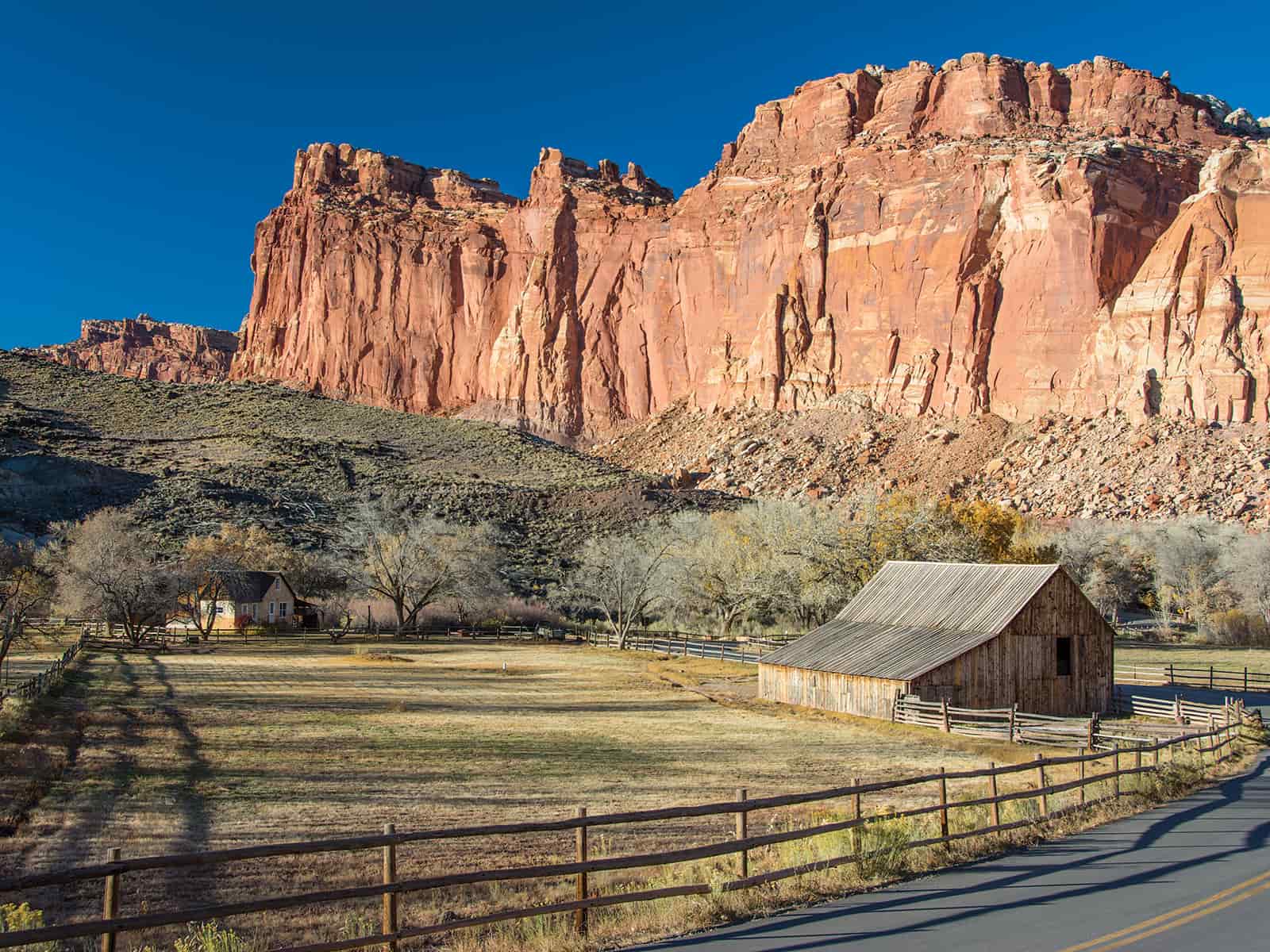
Capitol Reef National Park
Iowa
The Big Sioux River creates most of the border between South Dakota and Iowa.
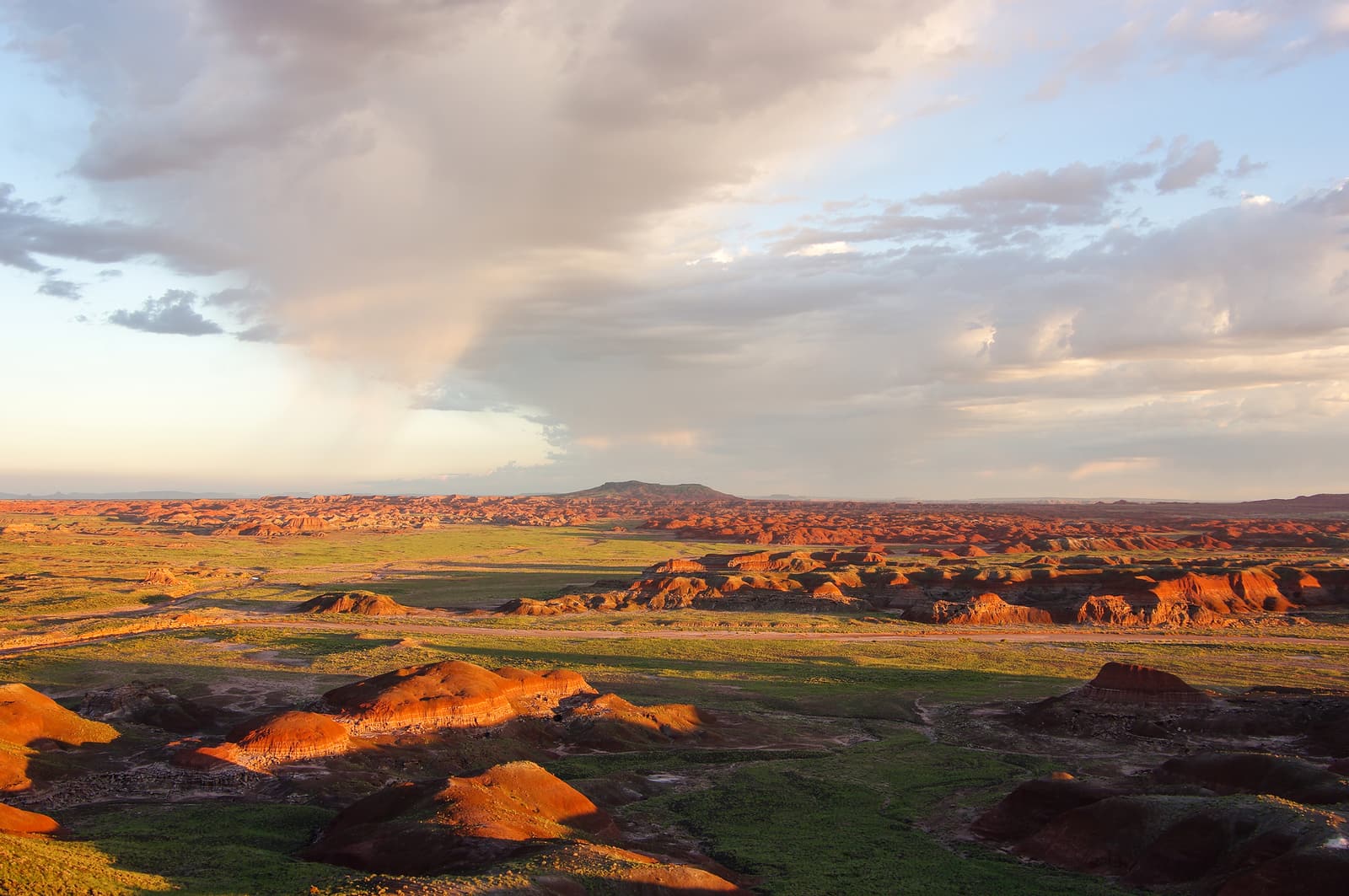
Petrified Forest National Park
Nebraska
The Missouri River forms the eastern portion of South Dakota's border with Nebraska.
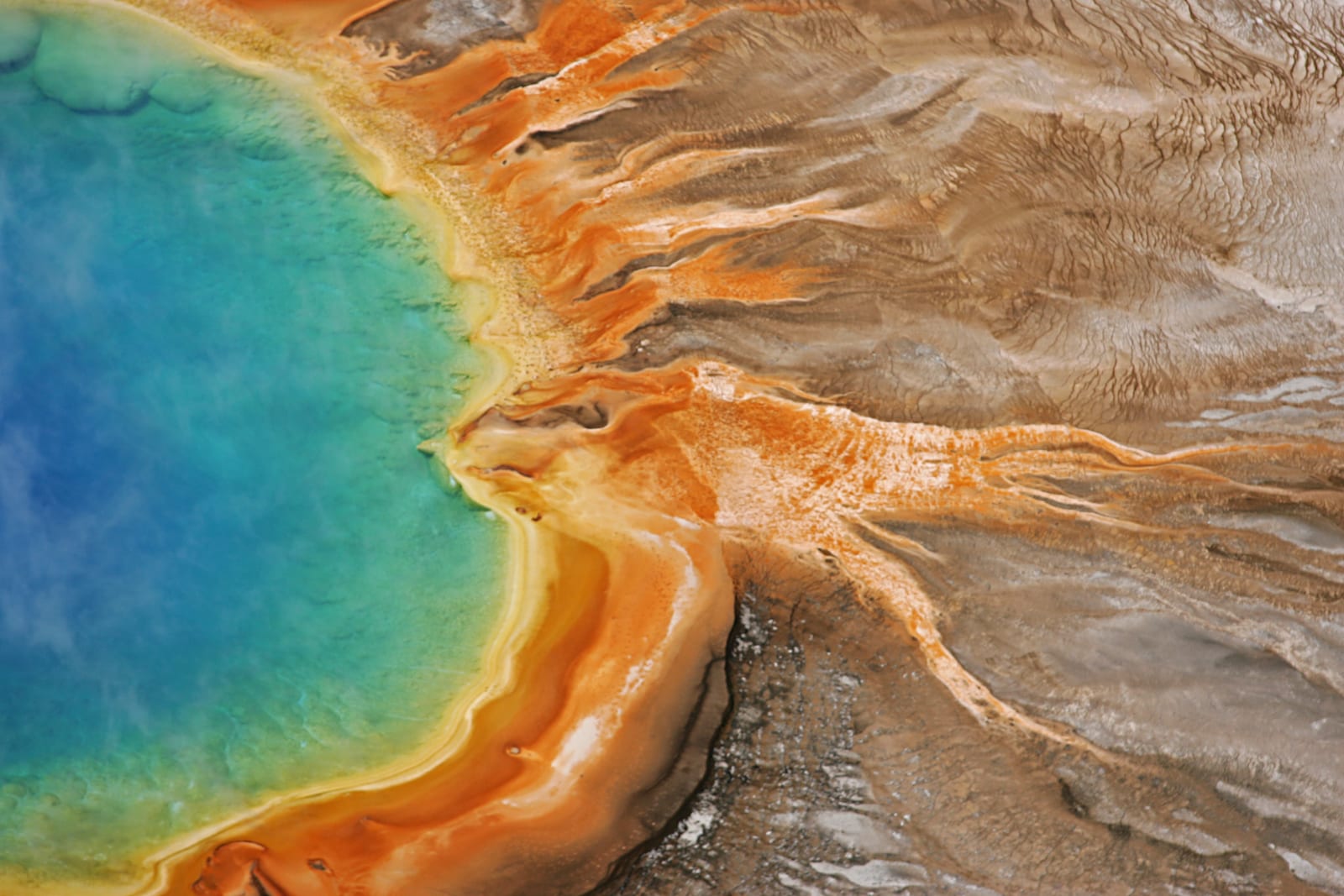
Yellowstone National Park
Wyoming
Wyoming borders South Dakota along a straight north-south line in the west.
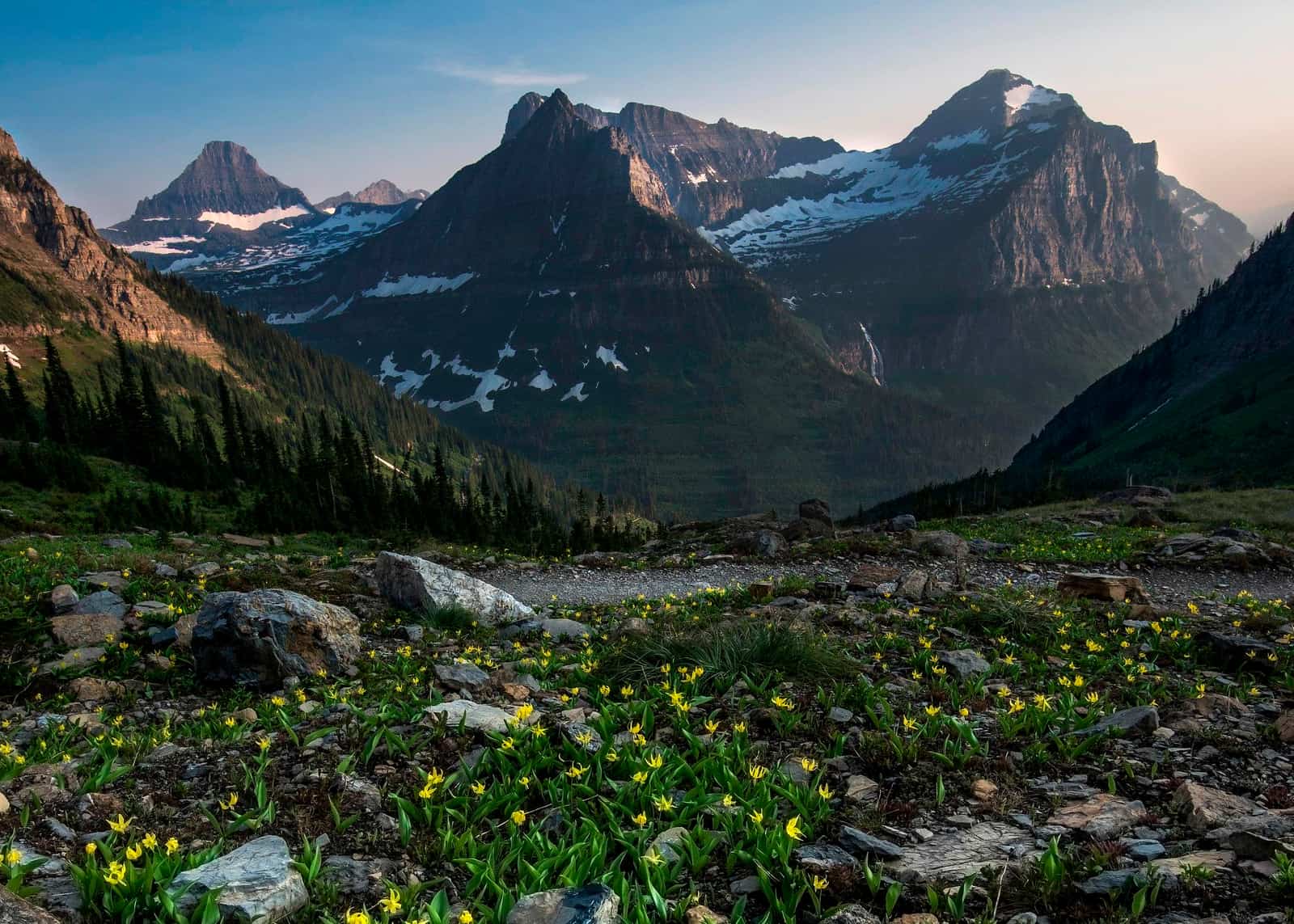
Glacier National Park
Montana
Montana borders South Dakota in the northwestern corner.
Which States Border South Dakota?
South Dakota shares borders with six states: North Dakota to the north, Minnesota to the east, Iowa to the southeast, Nebraska to the south, Wyoming to the west, and Montana to the northwest. Rivers form significant portions of several borders, while surveyed lines create others.
North: North Dakota
Theodore Roosevelt National Park
North Dakota and South Dakota share a border along South Dakota's entire northern edge. The boundary follows a straight east-west line along a surveyed parallel.
The South Dakota-North Dakota border extends for about 360 miles from Montana in the west to Minnesota in the east. The border follows the 46th parallel north latitude, creating a perfectly straight line across the northern prairie. South Dakota counties along this border include Harding, Perkins, Corson, Campbell, McPherson, Brown, Marshall, Roberts, and Grant. The border crosses rolling plains and prairie country. Cities near this border include Aberdeen, South Dakota.
- About 360 miles along 46th parallel
- Straight east-west line
- Through prairie and plains
East: Minnesota
Voyageurs National Park
Minnesota borders South Dakota on the eastern side. The Big Sioux River forms the southern portion of this boundary, while surveyed lines create the northern section.
The South Dakota-Minnesota border runs for about 240 miles from North Dakota in the north to Iowa in the south. The northern portion follows a surveyed line, while the Big Sioux River creates a natural boundary in the south for about 100 miles. South Dakota counties along this border include Roberts, Grant, Codington, Deuel, Brookings, Moody, and Minnehaha. Sioux Falls, South Dakota's largest city, sits very close to this border in the southeast.
- About 240 miles north-south
- Big Sioux River forms southern section
- Sioux Falls near border
South-East: Iowa (Big Sioux River Border)
Capitol Reef National Park
Iowa and South Dakota are separated by the Big Sioux River along South Dakota's southeastern corner. This short border is entirely formed by the winding river.
The South Dakota-Iowa border follows the Big Sioux River for about 50 miles from Minnesota in the north to Nebraska and the Missouri River in the south. The entire border is a water boundary. Only three South Dakota counties touch this border: Union, Lincoln, and Minnehaha. On the Iowa side, Lyon, Sioux, Plymouth, and Woodbury counties sit along the Big Sioux River. Sioux City, Iowa sits at the junction where South Dakota, Iowa, and Nebraska meet at the confluence of the Big Sioux and Missouri Rivers.
- About 50 miles along Big Sioux River
- Entire border is water
- Sioux City, IA at tri-state point
South: Nebraska (Missouri River Border)
Petrified Forest National Park
Nebraska forms South Dakota's entire southern border. The Missouri River creates the eastern portion of this boundary, while a straight surveyed line continues to the west.
The South Dakota-Nebraska border extends for about 425 miles from Iowa in the east to Wyoming in the west. The Missouri River forms roughly 350 miles of border in the eastern section, making this one of the longest river boundaries in the region. The western section follows a surveyed line. South Dakota counties along this border include Union, Clay, Yankton, Bon Homme, Charles Mix, Gregory, Tripp, Todd, Bennett, and Shannon. The border divides the Great Plains, with similar terrain on both sides.
- About 425 miles total
- Missouri River forms eastern 350 miles
- Straight line in west
West: Wyoming
Yellowstone National Park
Wyoming borders South Dakota on the western side. The boundary follows a straight north-south line along a surveyed meridian through the Black Hills region.
The South Dakota-Wyoming border runs for about 355 miles from Montana in the north to Nebraska in the south. The border follows a surveyed meridian line. South Dakota counties along this border include Harding, Butte, Lawrence, Meade, Pennington, Custer, and Fall River. The Black Hills, including Mount Rushmore and Custer State Park, sit near this border on the South Dakota side. Rapid City, South Dakota is the major city near this western border.
- About 355 miles north-south
- Straight surveyed line
- Black Hills and Mount Rushmore nearby
North-West: Montana
Glacier National Park
Montana borders South Dakota in the northwestern corner. This creates a point where Montana, South Dakota, Wyoming, and North Dakota nearly meet (though Montana and Wyoming don't actually touch at this point).
The South Dakota-Montana border extends for about 110 miles from North Dakota in the north to Wyoming in the south. The border follows a straight north-south meridian line through remote prairie and badlands country. Only two South Dakota counties touch this border: Harding and Butte. This is one of the most sparsely populated border regions in South Dakota. The northwestern corner of South Dakota includes portions of the Montana badlands landscape.
- About 110 miles north-south
- Straight meridian line
- Remote badlands and prairie
Missouri River: Dividing South Dakota
The Missouri River doesn't just form borders—it flows through the heart of South Dakota, dividing the state into two distinct regions known historically as East River and West River. The river enters South Dakota from North Dakota, flows south through the center of the state, and then turns east to form part of the Nebraska border before continuing into Iowa. The Missouri River forms about 350 miles of South Dakota's border with Nebraska in the east. Dams on the Missouri, including the Oahe Dam near Pierre, created large reservoirs that are important for recreation, power, and flood control. The river has shaped South Dakota's geography, economy, and culture for thousands of years.
East River vs. West River: A Geographic Divide
South Dakotans traditionally divide their state into two regions based on the Missouri River: East River (everything east of the Missouri) and West River (everything west of it). East River South Dakota is characterized by prairie and farmland, with more rainfall and agricultural production. Major cities like Sioux Falls and Aberdeen are in East River. West River South Dakota is drier high plains country, home to ranching, the Black Hills, Mount Rushmore, and Badlands National Park. Rapid City is the major West River city. This geographic and cultural divide has influenced South Dakota politics, economy, and identity since territorial days.
Key Facts & Statistics
This table shows every border South Dakota shares, organized by direction and type.
South Dakota borders exactly six U.S. states
Frequently Asked Questions
What states border South Dakota?
What borders South Dakota?
What state borders South Dakota to the north?
What state borders South Dakota to the south?
Which state borders South Dakota to the south?
What state borders South Dakota to the southwest?
What state borders Canada and South Dakota?
How many states border South Dakota?
Sources & References
This article has been researched using authoritative sources to ensure accuracy and reliability.
Geographic features, river boundaries, and topographic data
Geographic regions and border area information