Massachusetts State Tree: American Elm
Fact-checked • Updated January 15, 2025
Massachusetts State Tree – American Elm
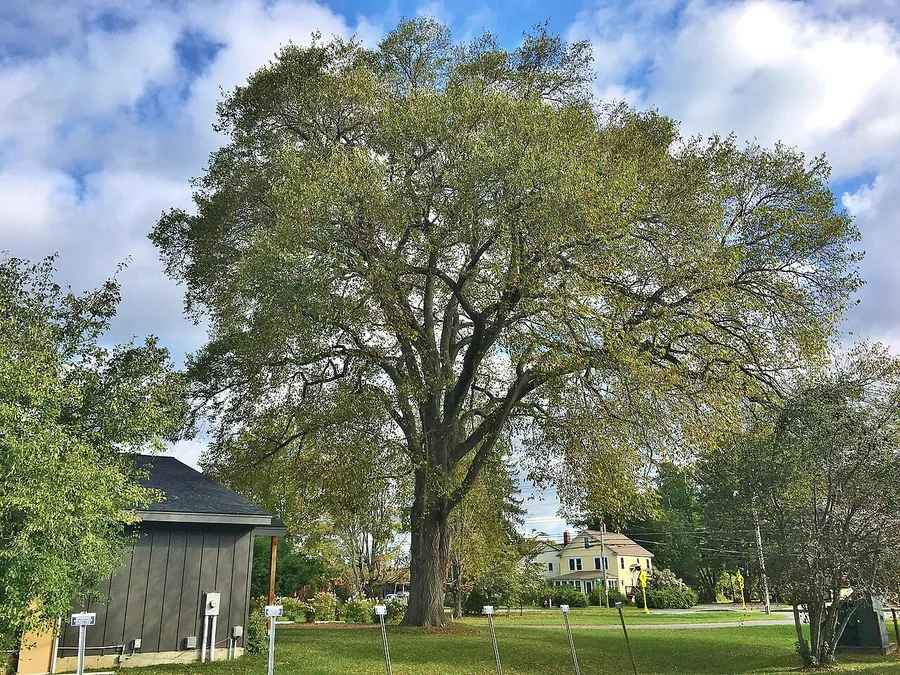
Massachusetts selected the American Elm as its official state tree in 1941, honoring a species that lined the Commonwealth's streets and village greens for centuries. These graceful trees grew 80 to 100 feet tall with distinctive vase-shaped crowns that created natural cathedral arches over Massachusetts roads. The elm provided shade for town commons, framed colonial meetinghouses, and witnessed key moments in American history. Dutch elm disease later devastated Massachusetts elms, but the tree remains the official symbol representing the Commonwealth's historic New England character.
What Is the Massachusetts State Tree?
The American Elm is Massachusetts's official state tree. This deciduous hardwood historically grew 80 to 100 feet tall in Massachusetts, with exceptional specimens exceeding 120 feet. The trunk measured three to six feet in diameter on mature trees. The species developed a distinctive vase-shaped form with major limbs dividing from the trunk 15 to 30 feet above ground, then arching gracefully outward and upward. This growth pattern created the classic elm-lined streets that characterized Massachusetts towns from colonial times through the mid-1900s. Dutch elm disease killed millions of Massachusetts elms starting in the 1930s, dramatically reducing the population, though resistant specimens and replanted trees still grow across the state.
The bark appears gray-brown with deep irregular furrows and broad flat ridges. Diamond-shaped patterns emerge where furrows intersect on older trunks. The texture feels rough and corky. Leaves grow three to six inches long with doubly serrated edges - each large tooth has smaller teeth along its edge. The leaves are asymmetrical at the base where they attach to the twig, with one side extending slightly beyond the other. This lopsided base helps identify elms. The leaves turn yellow in fall before dropping.
American elm once grew throughout Massachusetts from coastal areas to the Berkshire hills. The species thrived on moist soils along rivers and streams but adapted to a wide range of conditions. Massachusetts towns deliberately planted elms along streets and around commons, creating the formal tree-lined landscapes that defined New England communities. Boston Common featured numerous elms. Cambridge streets bore the nickname 'Elm City' before Dutch elm disease arrived. Today, disease-resistant American elm cultivars allow Massachusetts communities to restore this historic tree to streets and parks.
Massachusetts State Tree Name
The common name American Elm distinguishes this species from European and Asian elm species. Early Massachusetts colonists called it white elm for the light-colored wood. The scientific name Ulmus americana combines the classical Latin name for elm (Ulmus) with 'americana' indicating North American origin. Some historical references use the name water elm, reflecting the tree's preference for moist sites.
New Englanders often called these trees simply 'elms' without specifying the species, since American elm dominated the region. The tree earned descriptive names like 'Liberty Tree' when specific elms became associated with Revolutionary War events. Massachusetts elm enthusiasts sometimes use the term 'cathedral tree' for the species, describing how arching branches created Gothic arch shapes over streets. The species belongs to the Ulmaceae family, the elm family.
Why American Elm Became the Massachusetts State Tree
Massachusetts recognized the American Elm as its official state tree on March 21, 1941. The Massachusetts General Court passed legislation establishing the elm during the 1941 session. The designation honored a tree deeply woven into Massachusetts history and New England identity. By 1941, Dutch elm disease had already begun killing Massachusetts elms, making the designation both a celebration of the tree's past importance and a recognition of its threatened status.
Massachusetts chose American elm because the tree defined the Commonwealth's towns and historical landscape. Every Massachusetts village green featured elms. The trees shaded colonial meetinghouses where town governments convened. Elm-lined streets created the quintessential New England town appearance that characterized communities from the coast to western Massachusetts. The species grew faster than oak or maple, providing shade within a generation. This rapid growth combined with the graceful vase shape made elm the preferred street tree for Massachusetts municipalities from the 1700s onward.
The tree held special historical significance in Massachusetts. The famous Liberty Tree in Boston was an elm where colonists gathered before the Revolution to protest British policies. Washington Elm in Cambridge marked the spot where tradition says George Washington took command of the Continental Army in 1775, though historians debate whether the specific tree witnessed that event. Elms stood witness to crucial moments in American independence. Beyond these famous specimens, countless ordinary Massachusetts elms shaded the towns where Revolutionary ideas flourished. The tree represented both the physical character of Massachusetts communities and the democratic traditions of town meeting governance that occurred beneath elm-shaded commons.
Massachusetts State Tree Facts
Fact 1 of 8
Massachusetts designated American Elm on March 21, 1941, as Dutch elm disease began spreading through the Commonwealth
Massachusetts State Tree and Flower
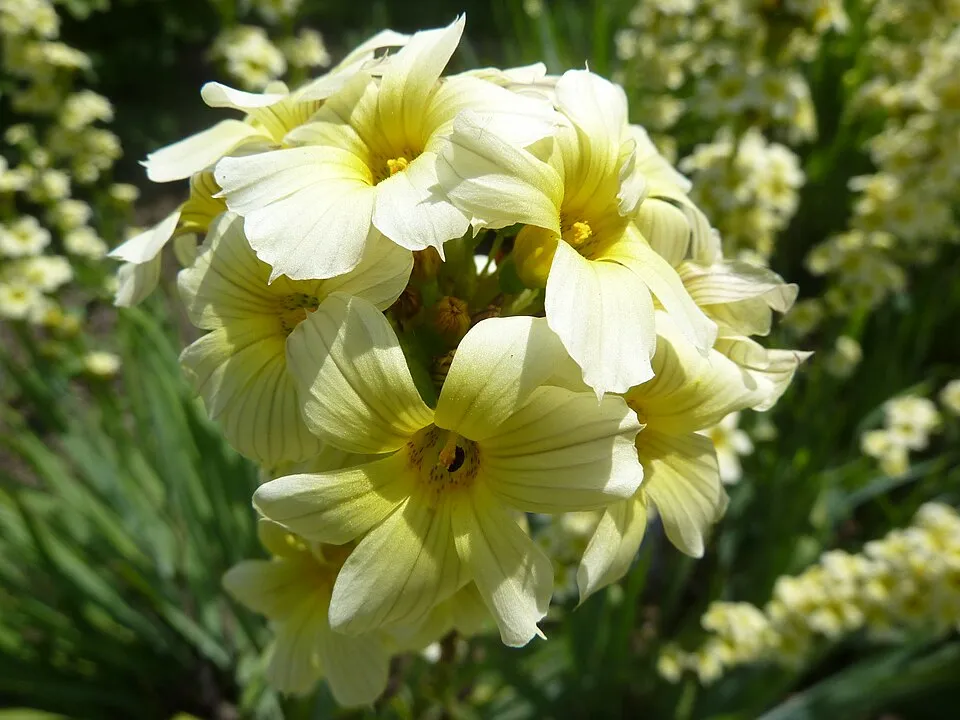
Massachusetts's state flower is the Mayflower (Epigaea repens), designated in 1918. The state adopted its floral symbol more than two decades before choosing the American elm. Both symbols reference early Massachusetts history - the Mayflower ship that brought Pilgrims and the elms that later shaded colonial settlements. The low-growing mayflower blooms in early spring with pink and white flowers, while the towering elm leafs out in late spring. Together these symbols represent Massachusetts from ground level wildflowers to the tree canopy that historically defined the Commonwealth's towns and landscapes.
State Tree
American Elm
State Flower
Mayflower
Learn more →
Both are official state symbols of Massachusetts.
How to Recognize a Massachusetts American Elm
Check the leaf base for the clearest identification. Where the leaf attaches to the twig, one side of the leaf base extends slightly beyond the other, creating a lopsided appearance. This asymmetrical base is diagnostic for elms. The leaves have doubly serrated edges - large teeth with smaller teeth along them. The leaf surface feels slightly rough on top and softly hairy underneath. Leaves measure three to six inches long and two to three inches wide with prominent parallel veins running from the midrib to the leaf edge.
The bark develops a distinctive pattern on mature trees. Deep irregular furrows separate broad flat ridges. The ridges often show diamond or crosshatch patterns where furrows intersect. The bark color ranges from gray to brown. Young elm bark starts relatively smooth and develops furrows as the tree ages. The bark texture feels corky and rough. Twigs are slender, often zigzagging slightly, and may have corky ridges along them.
The growth form is the American elm's most recognizable feature. The trunk divides into several major ascending limbs 15 to 30 feet above ground. These limbs arch outward and upward, creating the classic vase or fountain shape. On mature trees, the crown can spread 60 to 80 feet wide while reaching 80 to 100 feet tall. The silhouette appears open and graceful rather than dense. In spring, small reddish flowers appear in clusters before leaves emerge. These flowers develop into flat, round, papery seeds called samaras, measuring about one-half inch across with a notch at one end.
What the Massachusetts State Tree Symbolizes
The American Elm symbolizes Massachusetts's colonial heritage and the New England town tradition. The tree represents the democratic ideals born under elm-shaded town commons where citizens gathered for town meetings. The species evokes nostalgia for a time when elm-lined streets defined every Massachusetts community. The famous Liberty Tree connects the species to Revolutionary history and resistance to tyranny. Despite Dutch elm disease devastating the population, the elm remains the official symbol, representing resilience and Massachusetts's commitment to preserving its historical character. Modern replanting of disease-resistant elms demonstrates how Massachusetts honors its heritage while adapting to new challenges.
Test Your Knowledge
Can you identify state flags? Challenge yourself with our interactive quiz!
Sources & References
This article has been researched using authoritative sources to ensure accuracy and reliability. All information has been fact-checked and verified against official government records and forestry databases.
Official source for Massachusetts state symbols and legislation • Accessed: January 15, 2026
Information about Massachusetts parks, trees, and natural resources • Accessed: January 15, 2026
General information about the American elm, its history, characteristics, and role as Massachusetts’ state tree • Accessed: January 15, 2026
Accuracy Commitment: We strive to maintain accurate and up-to-date information. If you notice any errors or outdated information, please contact us.