Indiana State Flower: Peony
Fact-checked • Updated December 10, 2025
Indiana State Flower – Peony
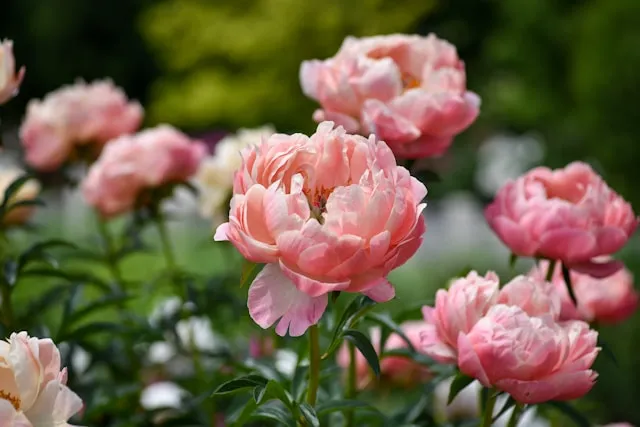
Year 1957 marked the adoption of the Peony as Indiana's state flower. These large showy flowers bloom in gardens throughout Indiana during late spring. The Peony replaced the zinnia which Indiana had used as its state flower since 1931.
What Is the Indiana State Flower?
Indiana recognizes the Peony as its state flower. Each bloom displays dozens of ruffled petals arranged in a full, rounded shape. The flowers measure 3 to 6 inches across depending on variety. Colors range from white and pink to deep red and burgundy. A sweet fragrance attracts bees and other pollinators.
Peonies bloom from late May through early June in Indiana. The flowering period lasts about two weeks for individual plants. Blooms appear on sturdy stems that reach 2 to 4 feet tall. Dark green compound leaves remain attractive throughout the growing season. Plants die back to the ground after frost in fall.
Garden peonies thrive in Indiana's climate and soil conditions. The plants require winter cold to bloom properly. Well-drained soil suits peonies best. Full sun produces the most flowers. Established peony plants can live for decades in the same location. Many Indiana gardens feature peonies passed down through generations.
Indiana State Flower Name
Known as Peony, this flower's scientific designation is Paeonia. The genus belongs to the Paeoniaceae family. This small family contains only one genus with about 35 species of herbaceous and tree peonies native to Asia, Europe, and western North America.
The name Paeonia comes from Greek mythology. Paeon served as physician to the gods. He used peony roots to heal wounds. Ancient Greeks valued peonies for medicinal properties. The common name peony derives directly from this mythological connection.
Indiana's designation does not specify which peony species or variety represents the state. Garden peonies cultivated in Indiana include hundreds of named varieties. Most belong to the species Paeonia lactiflora from China. Hybrid peonies combine multiple species. This flexible designation allows all peony types to represent Indiana.
How Indiana Chose the Peony
Indiana proclaimed the Peony its official state flower in 1957. This change replaced the zinnia which had served as state flower since 1931. The Indiana General Assembly debated the switch for several years before making it official. Garden clubs throughout Indiana led the campaign for peonies.
Critics argued the zinnia deserved to remain as state flower. Supporters of the peony pointed out that zinnias are annuals native to Mexico. Peonies grow as perennials well-suited to Indiana gardens. The peony's long history in Indiana landscapes strengthened the case for change. Many pioneer families had brought peony roots to Indiana.
The Indiana Federation of Garden Clubs lobbied legislators intensively. They presented petitions signed by thousands of Indiana residents. The organization argued that a perennial flower better represented Indiana than an annual. The General Assembly passed the designation on March 15, 1957. Indiana became one of few states to officially change its state flower.
Indiana State Flower Facts
Fact 1 of 6
Peonies can live for over 100 years in the same location, with some historic Indiana gardens containing plants from the 1800s
Indiana State Flower and Bird
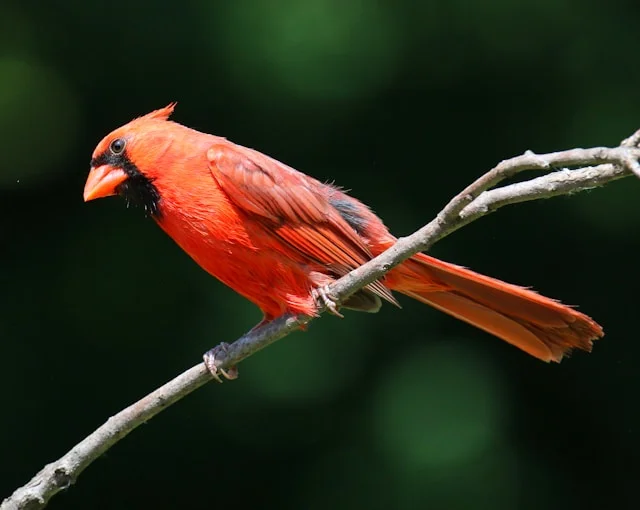
The Northern Cardinal serves as Indiana's state bird, sharing this designation with several other states including Illinois and Ohio. Both symbols represent Indiana officially. Indiana adopted the Peony in 1957 and designated the Northern Cardinal as state bird in 1933.
State Flower
Peony
State Bird
Northern Cardinal
Learn more →
Both are official state symbols of Indiana.
Symbolism and Meaning
The Peony has become associated with Indiana through its long presence in home gardens and public landscapes across the state. Many peony plantings in Indiana date back decades, reflecting the plant’s durability and continued popularity in the region.
Sources & References
This article has been researched using authoritative sources to ensure accuracy and reliability. All information has been fact-checked and verified against official government records and botanical databases.
Official source for Indiana state symbols and legislation • Accessed: December 31, 2025
Information about Indiana history and state symbol selection • Accessed: December 31, 2025
Resources on gardening and plant cultivation in Indiana • Accessed: December 31, 2025
Accuracy Commitment: We strive to maintain accurate and up-to-date information. If you notice any errors or outdated information, please contact us.