What States Border Alaska
Alaska does not border any U.S. states. Instead, it shares land borders with Canada—specifically Yukon Territory to the east and British Columbia to the southeast. Alaska also comes within 55 miles of Russia across the Bering Strait, though no land border exists between them.
- Bordering States
- 0
- International
- Canada
- Water Border
- Pacific Ocean, Arctic Ocean
- Access
- Coast or water access
Alaska Border Map
Map showing Alaska's boundaries with Canada, surrounding oceans, and proximity to Russia.
Map showing Alaska's boundaries with Canada, surrounding oceans, and proximity to Russia.
Border Details
Explore each of Alaska's borders in detail. Click any card to learn more.
Yukon
Yukon Territory forms most of Alaska's eastern border with Canada.
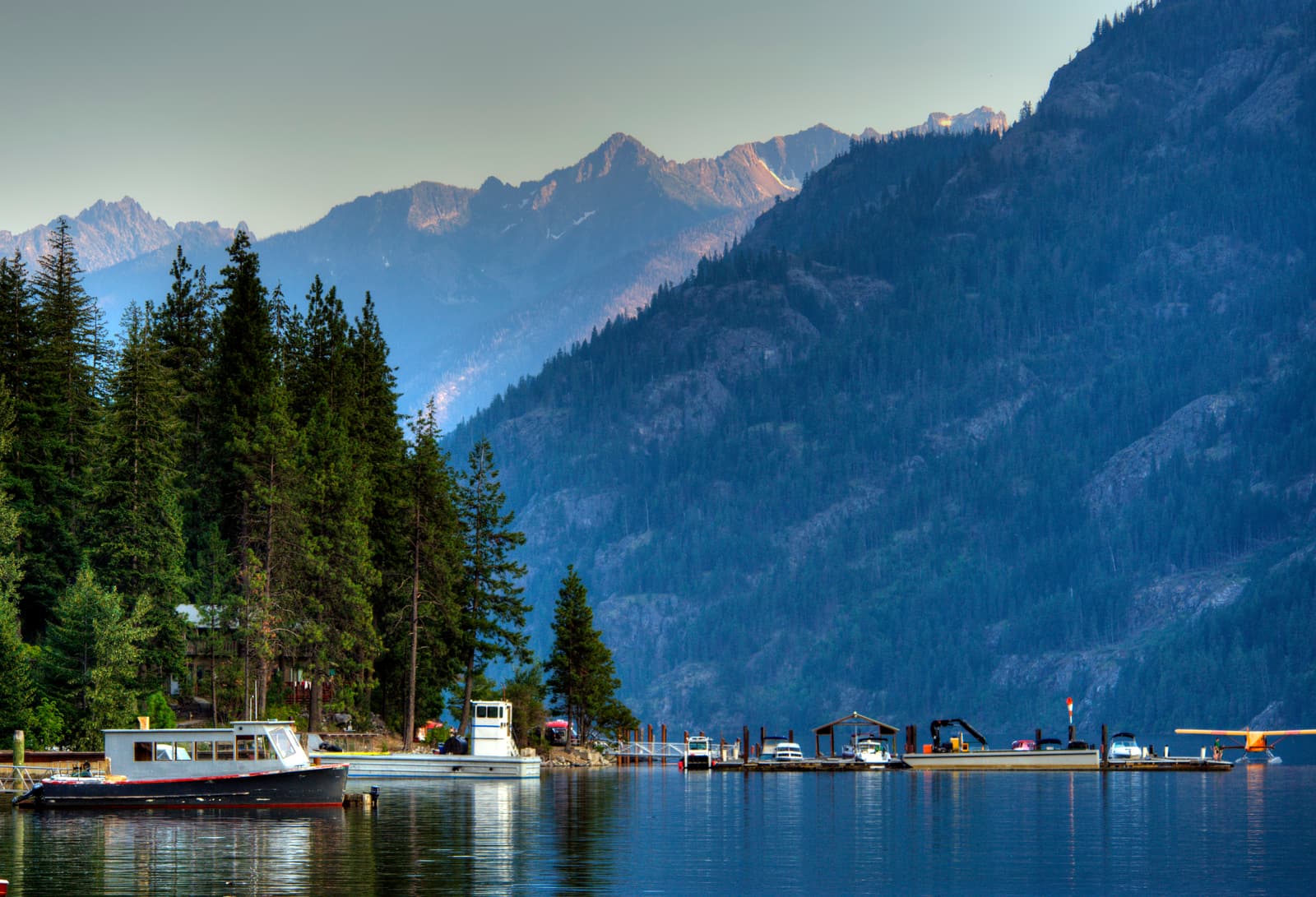
North Cascades National Park
British Columbia
British Columbia borders the Alaska Panhandle in southeast Alaska.
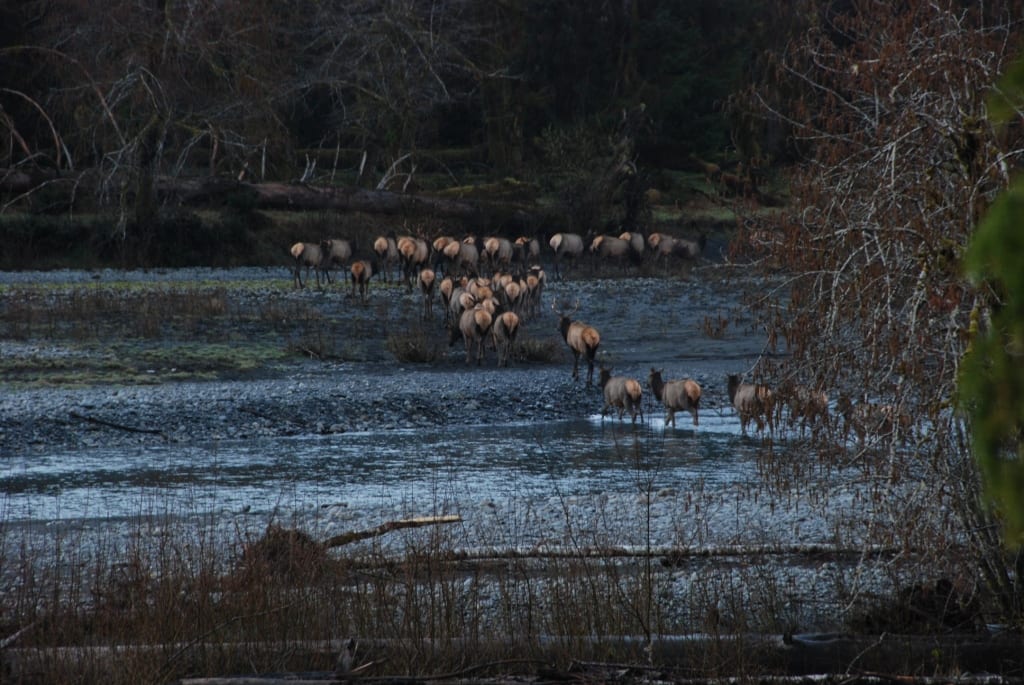
Olympic National Park
Pacific Ocean
The Pacific Ocean borders southern Alaska along the Gulf of Alaska.
Bering Sea
The Bering Sea lies between Alaska and Russia to the west.
Arctic Ocean
The Arctic Ocean borders Alaska's entire northern coast.
What States Border Alaska?
No U.S. states border Alaska. Alaska is the only U.S. state completely separated from the rest of the country by another nation. Canada sits between Alaska and the contiguous United States, with Washington state being the nearest U.S. state—located about 500 miles south of the Alaska Panhandle across British Columbia.
Alaska's Border with Canada
Canada is the only country that shares a land border with Alaska. The border runs for about 1,538 miles through wilderness, mountains, and remote territory, making it one of the longest international borders involving a U.S. state.
East: Yukon Territory
Yukon Territory and Alaska are separated by a border located on Alaska's eastern edge. This border runs roughly north-south from the Arctic Ocean in the north to British Columbia in the south, forming most of Alaska's land boundary with Canada.
The Alaska-Yukon border extends for about 1,210 miles through remote wilderness. The border follows the 141st meridian west for much of its length. Alaska's Interior region and North Slope Borough are situated along this border, while Yukon's western regions sit on the Canadian side.
- About 1,210 miles along 141st meridian
- Most of Alaska's Canadian border
- Remote wilderness and mountain terrain
South-East: British Columbia
North Cascades National Park
British Columbia and Alaska are separated by a border located along the Alaska Panhandle. This narrow strip of Alaskan territory extends south along the Pacific coast, separating British Columbia from the ocean.
The Alaska-British Columbia border runs for about 330 miles along the southeastern edge of Alaska. The border follows mountain peaks and waterways through the Coast Mountains. Alaska's Southeast region (including cities like Juneau, Ketchikan, and Sitka) is situated along this border.
- About 330 miles along the Panhandle
- Follows mountain peaks and waterways
- Separates BC from Pacific Ocean access
Ocean and Water Borders
Alaska is surrounded by water on three sides, bordered by three major water bodies: the Pacific Ocean to the south, the Bering Sea to the west, and the Arctic Ocean to the north. This gives Alaska more coastline than all other U.S. states combined.
South: Pacific Ocean (Gulf of Alaska)
Olympic National Park
The Pacific Ocean borders Alaska's entire southern coast, including the Gulf of Alaska. This coastline stretches for thousands of miles when accounting for all the islands, bays, and inlets.
Alaska's Pacific coast includes the Alaska Panhandle's Inside Passage, the Aleutian Islands chain, and the Gulf of Alaska. Major coastal communities include Juneau, Sitka, Ketchikan, Kodiak, and Seward. The Pacific provides Alaska with some of the world's richest fishing waters.
- Thousands of miles of Pacific coastline
- Includes Gulf of Alaska and Inside Passage
- Major fishing and shipping routes
West: Bering Sea
The Bering Sea borders Alaska's western coast, separating Alaska from Russia. At the Bering Strait, the two countries come within 55 miles of each other, and at the narrowest point between the Diomede Islands, only 2.4 miles separate U.S. and Russian territory.
The Bering Sea region includes Alaska's western coastline and the Aleutian Islands chain. Nome is the largest community on the Bering Sea coast. This area is home to some of the world's most productive commercial fishing grounds.
- Separates Alaska from Russia
- Only 55 miles to Russia at Bering Strait
- Major commercial fishing region
North: Arctic Ocean
The Arctic Ocean borders Alaska's entire northern coast. This coastline stretches from the Canadian border in the east to Point Barrow (the northernmost point in the United States) and west toward the Bering Strait.
Alaska's Arctic coast is characterized by sea ice for much of the year and permafrost along the shore. Communities like Utqiagvik (Barrow), Prudhoe Bay, and Kaktovik are located along this coast. The region contains significant oil and gas reserves.
- Northern coastline along Arctic Ocean
- Point Barrow: northernmost U.S. point
- Sea ice and permafrost region
Alaska's Proximity to Russia
Alaska comes remarkably close to Russia across the Bering Strait. At the nearest point between Big Diomede Island (Russia) and Little Diomede Island (U.S.), only 2.4 miles of water separate the two countries. On clear days, you can see Russia from Alaska's western shore. During winter, the strait sometimes freezes, creating an ice bridge between the continents.
Key Facts & Statistics
This table shows every border Alaska shares, organized by direction and type.
Alaska borders zero U.S. states—the only state completely separated from the rest
Frequently Asked Questions
What borders Alaska?
What state borders Alaska?
What country borders Alaska?
What Canadian territory borders Alaska?
What Canadian province borders Alaska?
What ocean borders Alaska?
What sea borders Alaska to the west?
Does Alaska border Russia?
Sources & References
This article has been researched using authoritative sources to ensure accuracy and reliability.
Alaska-Canada border details and measurements
Ocean and coastline data