
Coral reef with two snorkelers diving below the surface
National Parks 12 parks Updated 2026

National Parks With No Entrance Fee

Photo: NPS image by Shaun Wolfe
12
Parks
9
States
12
Free Entry
Cuyahoga Valley
#1 Most Visited

Quick answer: Great Smoky Mountains, Congaree, Cuyahoga Valley, Shenandoah (no fee for through-traffic), and all nine Alaska parks are free. More than 20 of the 63 national parks charge no entrance fee.

More than 20 of the 63 US national parks charge no entrance fee at all. The most visited park in the country — Great Smoky Mountains — has always been free, a condition of a land donation made when the park was established in 1934. Many lesser-known parks, like Congaree in South Carolina and Kobuk Valley in Alaska, are also free and offer experiences you won't find in the heavily visited fee parks.

Map

National Parks With No Entrance Fee

# Park Entry fee
1 Free
2 Free
3 Free
4 Free
5 Free
6 Free
7 Free
8 Free
9 Free
10 Free
11 Free
12
Virgin Islands National Park
U.S. Virgin Islands
Free

Park Profiles

California · West

Key Facts

Established
1980
Area
249,561 acres
Visitors / yr
≈ 360K (2023)
Entry fee
Free

Channel Islands National Park protects five islands off the southern California coast and their surrounding ocean, covering 249,561 acres with no road access — visitors arrive only by boat or small plane. Established in 1980, the park shelters eight endemic species including the island fox and draws roughly 360,000 visitors a year.

Read more about Channel Islands National Park
South Carolina · Southeast

Key Facts

Established
2003
Area
26,546 acres
Visitors / yr
≈ 249K (2023)
Entry fee
Free

Congaree National Park in South Carolina protects 26,546 acres of the largest intact old-growth bottomland hardwood forest remaining in the southeastern United States, a UNESCO Biosphere Reserve since 1983. Established in 2003, the park holds more national and state champion trees than any other area in the eastern US and draws about 249,000 visitors a year.

Read more about Congaree National Park
Ohio · Midwest

Key Facts

Established
2000
Area
32,572 acres
Visitors / yr
≈ 2.9 million (2023)
Entry fee
Free

Cuyahoga Valley National Park protects 32,572 acres of river valley in northeastern Ohio between Cleveland and Akron, established in 2000 and drawing roughly 2.9 million visitors a year. The park preserves the Ohio and Erie Canal corridor, the Cuyahoga River floodplain, and the heritage railroad line that runs 22 miles through the valley.

Read more about Cuyahoga Valley National Park
Alaska

Key Facts

Established
1980
Area
7,523,898 acres
Visitors / yr
≈ 11K (2023)
Entry fee
Free

Gates of the Arctic National Park & Preserve was established in 1980 and named for two Brooks Range peaks that explorer Robert Marshall called the 'gates of the Arctic' in 1930 — a 7,523,898-acre roadless wilderness in Alaska above the Arctic Circle with no maintained trails or visitor facilities of any kind.

Read more about Gates of the Arctic National Park & Preserve
Alaska

Key Facts

Established
1980
Area
3,283,168 acres
Visitors / yr
≈ 60K (2023)
Entry fee
Free

Glacier Bay National Park & Preserve in southeastern Alaska, established in 1980 and designated a UNESCO World Heritage Site in 1992, contains the world's largest assemblage of tidewater glaciers in a single protected area — 3,283,168 acres where a massive ice sheet has retreated 65 miles in roughly 250 years.

Read more about Glacier Bay National Park & Preserve
Alaska

Key Facts

Established
1980
Area
2,619,733 acres
Visitors / yr
≈ 12K (2023)
Entry fee
Free

Lake Clark National Park and Preserve protects 2,619,733 acres of southwest Alaska where the Alaska Range meets the Aleutian Range in the glacier-covered Chigmit Mountains. Two active volcanoes rise over tundra valleys, sockeye salmon crowd five river systems each summer, and brown bears gather on the Cook Inlet coast in concentrations rare anywhere in the world. The park has no road access; the only way in is by small aircraft or, along the southern coast, by boat. About 12,000 visitors arrived in 2023, and Dena'ina Athabascan communities have relied on the land for thousands of years under federally recognized subsistence rights.

Read more about Lake Clark National Park & Preserve
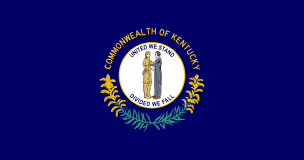
Kentucky · Southeast

Key Facts

Established
1941
Area
54,011 acres
Visitors / yr
≈ 686K (2023)
Entry fee
Free

Mammoth Cave National Park protects the world's longest known cave system, with more than 400 miles of surveyed passages carved through limestone beneath 54,011 acres of forested Kentucky hills. Park entrance is free, but the cave itself is reached only through guided tours that require advance tickets. Human presence in the cave spans at least 4,000 years; the cave's modern history is inseparable from Stephen Bishop, an enslaved man who first systematically mapped and explored it in the 1840s and whose named passages and features are still in use today. UNESCO designated the park a World Heritage Site in 1981 and an International Biosphere Reserve in 1990.

Read more about Mammoth Cave National Park
American Samoa · Pacific

Key Facts

Established
1988
Area
8,257 acres
Visitors / yr
≈ 8K (2023)
Entry fee
Free

National Park of American Samoa, in the U.S. territory of American Samoa, is the only national park located south of the equator. Established in 1988 across three island units, it draws about 8,000 visitors per year, making it one of the least visited of the 63 national parks.

Read more about National Park of American Samoa
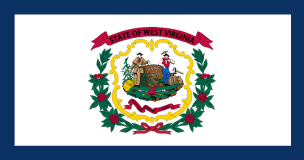
West Virginia · Southeast

Key Facts

Established
2020
Area
70,814 acres
Visitors / yr
≈ 1.6 million (2023)
Entry fee
Free

New River Gorge National Park & Preserve in West Virginia covers 70,814 acres along one of North America's oldest rivers and became the country's 63rd national park in December 2020. Entry is free, and the gorge reaches depths of 1,300 feet beneath the longest steel arch bridge in the Western Hemisphere.

Read more about New River Gorge National Park & Preserve
California · West

Key Facts

Established
1968
Area
138,999 acres
Visitors / yr
≈ 433K (2023)
Entry fee
Free

Redwood National and State Parks in northern California protect 138,999 acres of coast redwood forest along a 50-mile stretch of coastline, home to the tallest trees on Earth. The complex combines one national park with three California state parks under shared management, is free to enter, and has been a UNESCO World Heritage Site since 1980.

Read more about Redwood National and State Parks
U.S. Virgin Islands · Pacific

Key Facts

Established
1956
Area
14,689 acres
Visitors / yr
≈ 374K (2023)
Entry fee
Free

Virgin Islands National Park covers 14,689 acres on the island of St. John in the U.S. Virgin Islands — roughly two-thirds of the island's land area — and was established in 1956 after Laurance Rockefeller donated 5,000 acres to the federal government. Free to enter, the park protects coral reef, tropical dry forest, and the ruins of 18th-century sugar plantations along more than 20 miles of coastline.

Read more about Virgin Islands National Park