

Violent Crime
Indiana has 12% less violent crime
Indiana records 349.4 violent incidents per 100k residents versus 390.5 in Illinois (FBI UCR 2022).
Indiana has a lower violent crime rate than Illinois.
National Rankings
See where both states fall among all 50 states for violent crime rate.
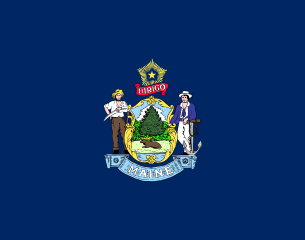 Maine
Maine
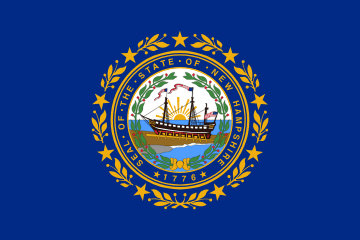 New Hampshire
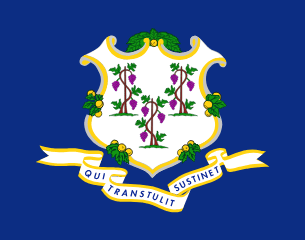 Connecticut
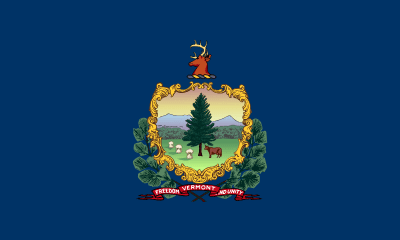 Vermont
 New Jersey
 Virginia
 Rhode Island
 Wyoming
 Kentucky
 Idaho
Idaho
 Illinois
 Indiana
Illinois ranks 30th and Indiana ranks 29th nationally for violent crime rate.
Economic and demographic factors behind the violent crime rate difference.
Indiana records 349.4 violent incidents per 100k residents versus 390.5 in Illinois (FBI UCR 2022).
Economic stress and crime are closely tied. Illinois's poverty rate is 11.6%, compared with 12.3% in Indiana.
View detailed comparisonStates with stronger median incomes tend to have lower crime rates. Illinois leads at $78,433 vs $67,173 in Indiana.
View detailed comparisonUrban density often correlates with higher crime rates. Illinois is more densely populated at 221.2 per sq mi vs 186.3 in Indiana.
View detailed comparison

What This Means
Indiana has a violent crime rate of 349.4, compared with 390.5 in Illinois. Violent crime incidents per 100,000 residents (FBI UCR 2022).
People Also Ask
Illinois's violent crime rate is 390.5.
Indiana's violent crime rate is 349.4.
Indiana has a lower violent crime rate than Illinois.
Grouped tabs keep the deep-dive links tighter and easier to scan.
Sources: Core demographic data comes from the 2020 U.S. Census, with land area from U.S. Census Bureau TIGER files. Income, housing, affordability, and tax fields are maintained in our comparison dataset; purchasing-power figures use BEA Regional Price Parities. Minimum wage data comes from the U.S. Department of Labor, gas prices from AAA, and electricity rates from the U.S. Energy Information Administration. Political control and election fields use 2024 presidential results together with National Conference of State Legislatures data. Gun-law labels use the Giffords scorecard, alcohol system data comes from NABCA, and marijuana status uses NCSL's state cannabis laws tracker.