Health
Alaska vs Delaware: Obesity Rate
Alaska has a lower obesity rate than Delaware.


National Rankings
Where They Rank Nationally
See where both states fall among all 50 states for obesity rate.
Alaska
#23 · 34.0%
Delaware
#35 · 36.6%
Best
Worst
10 Best States — Obesity Rate
Lower is better
#1
 Colorado
25.0%
Colorado
25.0%
Colorado
#2
 Hawaii
27.0%
Hawaii
27.0%
Hawaii
#3
 Massachusetts
27.0%
Massachusetts
27.0%
Massachusetts
#4
 New Jersey
27.7%
New Jersey
27.7%
New Jersey
#5
 Vermont
29.0%
Vermont
29.0%
Vermont
#6
 California
29.1%
California
29.1%
California
#7
 New York
29.5%
New York
29.5%
New York
#8
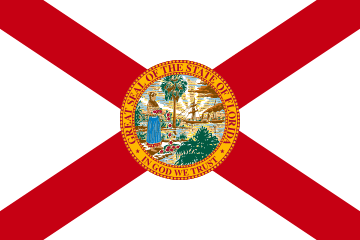 Florida
29.6%
Florida
29.6%
Florida
#9
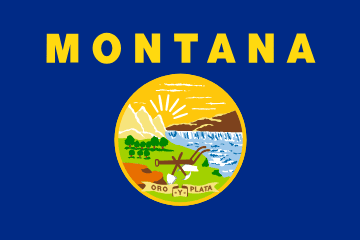 Montana
31.0%
Montana
31.0%
Montana
#10
 Utah
31.0%
Utah
31.0%
Utah
Selected states
#23
 Alaska
34.0%
Alaska
34.0%
Alaska
#35
 Delaware
36.6%
Delaware
36.6%
Delaware
Alaska ranks 23rd and Delaware ranks 35th nationally for obesity rate.
Related context
Health Factors
Obesity rates reflect income, food access, climate, activity levels, and healthcare availability.
MetricAlaskaDelaware
Life Expectancy
75.4 yrs
76.9 yrs
Poverty Rate
10.4%
10.5%
Uninsured Rate
10.4%
6.5%
Median Household Income
$86,533
$79,325
What this means
Alaska vs Delaware: Obesity Rate in context
Alaska's obesity rate is 34.0%, compared with 36.6% in Delaware. Adult obesity prevalence.
Alaska
34.0%
Delaware
36.6%
Difference
2.60 percentage points
People also ask
Alaska vs Delaware Obesity Rate — common questions
QWhat is Alaska's obesity rate?
Alaska's obesity rate is 34.0%.
QWhat is Delaware's obesity rate?
Delaware's obesity rate is 36.6%.
QWhich state has a lower obesity rate — Alaska or Delaware?
Alaska has a lower obesity rate than Delaware.
More comparisons: Alaska vs Delaware
Grouped tabs keep the deep-dive links tighter and easier to scan.
Explore each state


Data source and freshness
Primary source
Data period
Latest incorporated annual release
Dataset reviewed
July 23, 2026
Method note
Adult self-reported obesity prevalence.