Climate
Alaska vs Connecticut: Sunny Days
Connecticut gets more sunny days than Alaska.


National Rankings
Where They Rank Nationally
See where both states fall among all 50 states for sunny days.
Alaska
#47 · 61 days
Connecticut
#41 · 82 days
Lowest
Highest
Top 10 States — Sunny Days
#1
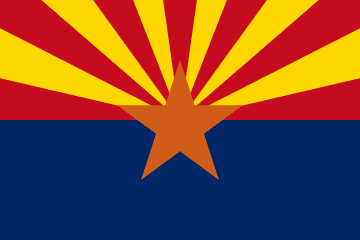 Arizona
193 days
Arizona
193 days
Arizona
#2
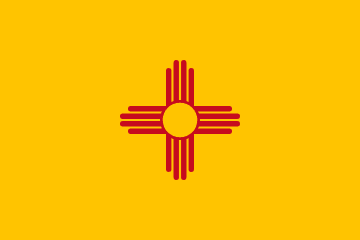 New Mexico
167 days
New Mexico
167 days
New Mexico
#3
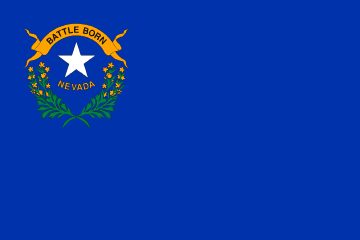 Nevada
158 days
Nevada
158 days
Nevada
#4
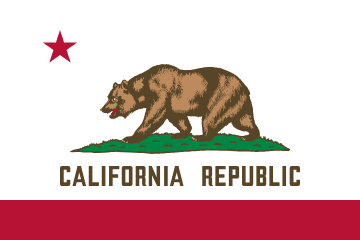 California
146 days
California
146 days
California
#5
 Oklahoma
139 days
Oklahoma
139 days
Oklahoma
#6
 Colorado
136 days
Colorado
136 days
Colorado
#7
 Texas
135 days
Texas
135 days
Texas
#8
 Kansas
128 days
Kansas
128 days
Kansas
#9
 Utah
125 days
Utah
125 days
Utah
#10
 Arkansas
123 days
Arkansas
123 days
Arkansas
Selected states
#47
 Alaska
61 days
Alaska
61 days
Alaska
#41
 Connecticut
82 days
Connecticut
82 days
Connecticut
Alaska ranks 47th and Connecticut ranks 41st nationally for sunny days.
Related context
Sunshine & Weather
Sunny days rank among the most-cited lifestyle factors for relocation decisions.
MetricAlaskaConnecticut
Average Temperature
26.6°F
49.0°F
Summer Temperature
52.3°F
69.2°F
Winter Temperature
2.6°F
28.5°F
Annual Precipitation
22.5 in
50.3 in
What this means
Alaska vs Connecticut: Sunny Days in context
Connecticut's sunny days is 82 days, compared with 61 days in Alaska, a gap of 34.4%. Average number of sunny or mostly sunny days per year.
Alaska
61 days
Connecticut
82 days
Difference
21 days
People also ask
Alaska vs Connecticut Sunny Days — common questions
QWhat is Alaska's sunny days?
Alaska's sunny days is 61 days.
QWhat is Connecticut's sunny days?
Connecticut's sunny days is 82 days.
QWhich state has a higher sunny days — Alaska or Connecticut?
Connecticut gets more sunny days than Alaska.
QHow much more sunny days does Connecticut have compared to Alaska?
21 days.
More comparisons: Alaska vs Connecticut
Grouped tabs keep the deep-dive links tighter and easier to scan.
Explore each state


Data source and freshness
Data period
1991–2020 climate normals
Dataset reviewed
July 23, 2026
Method note
Statewide climate summaries; normals describe long-term conditions, not a forecast.