Alabama vs Oklahoma: Population
Alabama has a larger population than Oklahoma by 1,064,926 people.


National Rankings
Where They Rank Nationally
See where both states fall among all 50 states for population.
Top 10 States — Population
 California
 Texas
Texas
 Florida
 New York
 Pennsylvania
 Illinois
 Ohio
Ohio
 Georgia
 North Carolina
 Michigan
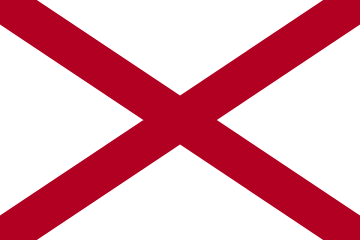 Alabama
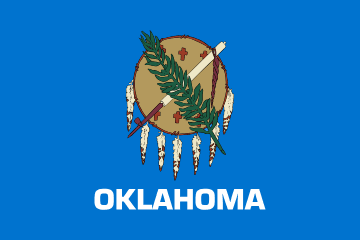 Oklahoma
Alabama ranks 24th and Oklahoma ranks 28th nationally for population.
Related Context
Population in Context
Raw headcount only tells part of the story — density and education round it out.
What This Means
Alabama vs Oklahoma: Population in context
Alabama has a population of 5,024,279, compared with 3,959,353 in Oklahoma, a gap of 26.9%. Total resident population (2020 Census).
People Also Ask
Alabama vs Oklahoma Population — Common Questions
Q What is Alabama's population?
Alabama's population is 5,024,279.
Q What is Oklahoma's population?
Oklahoma's population is 3,959,353.
Q Which state has a higher population — Alabama or Oklahoma?
Alabama has a larger population than Oklahoma by 1,064,926 people.
Q How much more population does Alabama have compared to Oklahoma?
+1,064,926 people.
More Comparisons: Alabama vs Oklahoma
Grouped tabs keep the deep-dive links tighter and easier to scan.
Explore Each State
 Alabama Symbols
 Oklahoma Symbols
Sources: Core demographic data comes from the 2020 U.S. Census, with land area from U.S. Census Bureau TIGER files. Income, housing, affordability, and tax fields are maintained in our comparison dataset; purchasing-power figures use BEA Regional Price Parities. Minimum wage data comes from the U.S. Department of Labor, gas prices from AAA, and electricity rates from the U.S. Energy Information Administration. Political control and election fields use 2024 presidential results together with National Conference of State Legislatures data. Gun-law labels use the Giffords scorecard, alcohol system data comes from NABCA, and marijuana status uses NCSL's state cannabis laws tracker.